
- [email protected]
- 0086-18516251697
- Mon - Sun 0:00-24:00
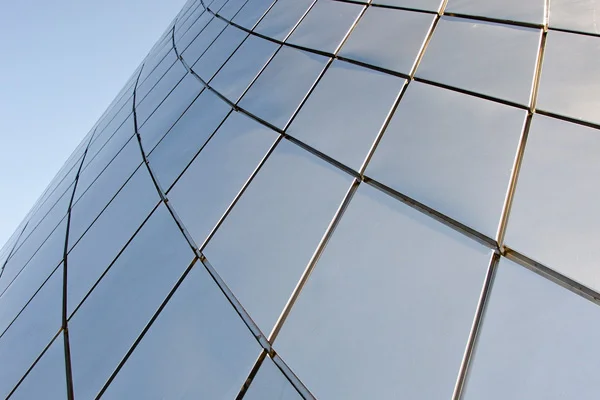
The construction industry has changed significantly over the past decade. Building owners and architects are no longer focused solely on durability; they also demand materials that offer attractive designs, faster installation, and long-term cost savings. As a result, composite panel cladding has become one of the fastest-growing solutions for modern building exteriors.
Traditional facade materials such as natural stone, concrete panels, and ceramic tiles are still widely used, but they often involve higher installation costs, greater structural weight, and more complicated maintenance requirements. Composite systems provide an alternative that addresses many of these challenges while maintaining a modern architectural appearance.
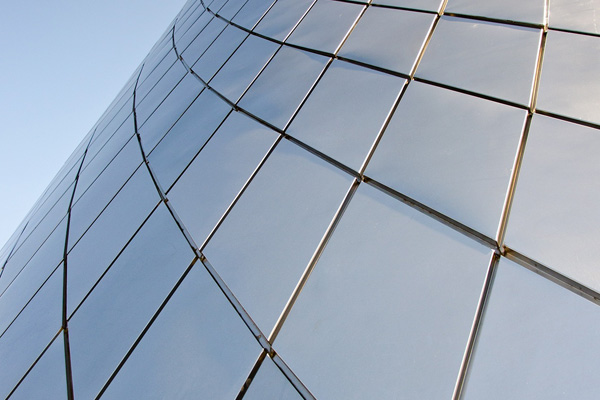
One of the primary reasons developers choose composite panel cladding is installation efficiency. Traditional stone facades often require heavy structural support and skilled labor. Installation can take weeks or even months depending on the project size. Composite panels, on the other hand, are lightweight and easier to handle, allowing contractors to complete exterior work in a shorter timeframe.
Reducing installation time not only lowers labor expenses but also helps projects reach completion faster, which can improve overall investment returns. In many cases, projects using composite cladding finish weeks ahead of schedule, enabling earlier occupancy and quicker revenue generation for commercial developments.
Today’s commercial buildings are designed to make a strong visual impression. Clean lines, smooth surfaces, and customized finishes have become increasingly important in architectural design.
Composite panel cladding is available in a wide variety of colors, metallic finishes, wood-look surfaces, and stone-inspired textures. This flexibility allows architects to achieve unique exterior designs without relying on heavier traditional materials.
For projects that require a bright and minimalist appearance, many designers select white acp cladding to create a clean and professional facade. Composite panel cladding is particularly popular for both new constructions and renovation projects due to its sleek finish and versatility.
Building materials must withstand changing weather conditions throughout the year. Rain, sunlight, humidity, and temperature fluctuations can affect both appearance and structural performance.
Modern cladding systems are engineered to provide excellent weather resistance while maintaining long-term visual appeal. Protective surface coatings, such as PVDF or polyester, help reduce fading and minimize maintenance requirements, making them suitable for commercial, residential, and institutional projects. In coastal areas with high salt content or extreme climates, acp sheet facade solutions have proven especially reliable, resisting corrosion far better than many conventional options.
This combination of durability and low maintenance is one reason why composite solutions continue to gain popularity worldwide. Building managers appreciate the reduced need for frequent cleaning and repairs, which translates into significant savings over the building’s lifecycle.
While stone and concrete remain popular in certain applications, they can increase transportation costs and place additional loads on building structures. Composite panel cladding offers a practical alternative by delivering strength and durability in a lightweight format. This can simplify installation, reduce structural requirements, and provide greater design flexibility for architects and engineers.
For large-scale developments, these advantages often translate into measurable savings throughout the construction process. Moreover, many manufacturers now offer fire-rated and eco-friendly composite panels that meet strict international building codes, further increasing their appeal for high-rise buildings and public facilities.
Many modern office buildings, shopping centers, hotels, and transportation facilities now incorporate advanced facade systems as part of their architectural strategy. Developers are increasingly selecting materials that balance aesthetics, performance, and cost efficiency. Composite panel cladding meets these requirements while providing a modern appearance that aligns with current design trends.
As urban construction continues to evolve, demand for lightweight and visually appealing facade solutions is expected to grow even further. Emerging markets in Asia, the Middle East, and Europe are driving much of this growth, with acp sheet facade and composite panel cladding becoming standard choices.
The growing popularity of composite panel cladding is driven by its ability to solve many of the challenges associated with traditional facade materials. Faster installation, reduced structural weight, modern aesthetics, and long-term durability make it an attractive option for contemporary construction projects.
For architects, contractors, and developers seeking a balance between performance and design, composite panel cladding continues to be one of the most practical facade solutions available today. Whether for a sleek corporate headquarters or a vibrant retail complex, acp sheet facade delivers outstanding results that combine beauty, efficiency, and value.