
- [email protected]
- 0086-18516251697
- Mon - Sun 0:00-24:00
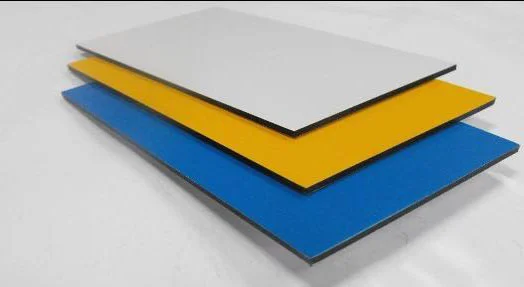
In today’s construction industry, architects and developers are constantly searching for materials that combine aesthetics, durability, and efficiency. Among the most widely adopted facade solutions is cladding acp, a material that has become increasingly popular in commercial, residential, and institutional projects worldwide.
Its ability to provide a modern appearance while maintaining excellent performance makes it a practical choice for a wide range of building applications. As construction standards continue to evolve, ACP cladding systems remain a preferred option for creating visually appealing and long-lasting structures.
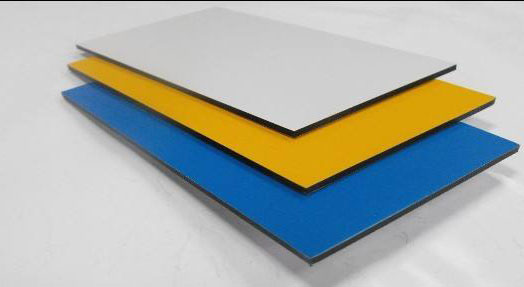
Cladding acp refers to aluminum composite panel systems used to cover and protect building surfaces. These panels are typically manufactured using two aluminum layers bonded to a specialized core, resulting in a material that offers both strength and lightweight performance.
Compared with traditional facade materials such as stone, concrete, and brick, ACP systems provide greater design flexibility and simpler installation processes. This combination of functionality and aesthetics has contributed to their growing use in modern architecture.
One of the most significant advantages of cladding acp is its lightweight structure. Reduced material weight can lower structural loads and simplify transportation and installation procedures.
Modern architectural projects often require customized appearances. ACP panels are available in a wide range of colors, finishes, and textures, allowing designers to achieve distinctive visual effects.
Building exteriors are exposed to environmental conditions throughout the year. Quality ACP systems are engineered to withstand rain, sunlight, humidity, and temperature fluctuations while maintaining their appearance.
Unlike some traditional facade materials, ACP panels typically require only routine cleaning to preserve their professional appearance. This can help reduce long-term maintenance expenses.
ACP cladding is commonly used in:
Its versatility allows it to be used for both large-scale construction projects and smaller renovation applications.
Budget planning plays an important role in any building project. Material specifications, surface finishes, installation requirements, and project size can all influence overall expenses.
Many developers compare aluminium composite panel cost information before selecting materials, as understanding pricing helps ensure that project budgets remain realistic.
While initial costs are important, evaluating long-term value is equally critical. Durable materials often provide lower maintenance requirements and longer service life, resulting in improved overall returns.
Another reason for the popularity of ACP systems is their adaptability.
Manufacturers offer numerous customization options, including:
This flexibility enables architects to create unique building facades that align with specific design objectives while maintaining practical construction performance.
Sustainability has become an increasingly important consideration in modern construction. Lightweight facade materials can help improve transportation efficiency and simplify installation processes.
Additionally, durable exterior systems reduce the need for frequent replacement and repairs, contributing to lower lifecycle costs. These advantages have encouraged many developers to incorporate ACP solutions into both new construction and renovation projects.
Professionals evaluating facade materials often review products such as alco panel sheet when comparing available solutions and performance characteristics.
The quality of an ACP installation depends heavily on the supplier and manufacturer behind the product.
Before making a purchasing decision, buyers should evaluate:
Partnering with a reputable supplier helps ensure consistent material quality and reliable long-term performance.
Cladding acp continues to be one of the most versatile and practical facade solutions available in modern architecture. Its lightweight construction, weather resistance, design flexibility, and low maintenance requirements make it suitable for a wide variety of building applications.
By carefully evaluating specifications, costs, and supplier capabilities, project owners can select cladding acp systems that deliver both attractive aesthetics and long-term value for their construction projects.